Questions To Ask Before Choosing A Mechanic Near You
Choosing a mechanic is about more than finding the nearest workshop or the earliest available booking. The right mechanic should be able to diagnose problems accurately, explain what your vehicle needs and carry out repairs suited to how and where you drive. Knowing the right questions to ask before choosing a mechanic can help you make a more informed decision before handing over your keys. For drivers, tradies and fleet operators around Mount Isa, that also means finding a workshop that understands the demands of local driving conditions. Heat, dust, heavy workloads and long-distance travel can all influence how vehicles need to be serviced and maintained.
Why It Pays to Choose the Right Mechanic
A good mechanic doesn't simply replace parts when something goes wrong. They look at the symptoms, identify the underlying cause and recommend work based on the condition and use of the vehicle.
That matters whether you rely on a passenger vehicle for everyday driving, a 4WD for remote travel or a work ute that needs to stay on the road. Poor diagnosis can lead to unnecessary repairs, repeat workshop visits or an unresolved problem becoming more serious.
When deciding how to choose a mechanic, consider whether the workshop can support your vehicle beyond the immediate job. Access to ongoing
mechanical repairs and maintenance, scheduled servicing and inspections can make it easier to manage your vehicle over the long term. A mechanic should also communicate clearly. You should understand what they have found, what work they recommend and why it matters before repairs proceed.
Are They Licensed and Experienced With Your Vehicle Type?
One of the first questions to ask is whether the workshop has appropriately qualified tradespeople and relevant experience with your type of vehicle. Automotive systems vary considerably between passenger cars, diesel 4WDs, light commercial vehicles and heavier work vehicles. Experience becomes particularly important when diagnosing faults. A mechanic familiar with the vehicle and its systems can follow a logical diagnostic process rather than relying on guesswork or replacing components unnecessarily.
Useful questions include:
- What types of vehicles do you regularly service and repair?
- Do you work on both petrol and diesel vehicles?
- Do you have experience with 4WDs and commercial vehicles?
- Can you service vehicles used for towing, heavy workloads or remote travel?
- Can you explain what qualifications or licences apply to the work being performed?
If your vehicle is still being serviced according to its manufacturer schedule, ask whether the workshop offers
car and logbook servicing and what is included.
Do They Provide Upfront Diagnostics Before Repairs Begin?
Proper diagnosis should come before major repair decisions. Modern vehicles can produce similar symptoms for very different faults, so replacing the most obvious component isn't always the right solution. Ask the mechanic how they will investigate the problem before authorising extensive work. Depending on the fault, diagnosis may involve a visual inspection, scan-tool checks, electrical testing, mechanical testing or checking individual systems and components. You should also ask how the workshop handles additional faults discovered during the job. According to industry best practice, customers should receive a clear explanation of recommended work and associated costs before significant additional repairs proceed.
For example, imagine a work ute arrives with reduced engine performance. Rather than immediately assuming a major component has failed, a mechanic might check fault codes, air and fuel delivery, electrical connections and other relevant systems first. That diagnostic process helps narrow down the actual cause before parts and labour are committed.
What Range of Services Do They Actually Offer?
The range of services a workshop provides can tell you whether it is equipped to look after your vehicle as its needs change. A workshop offering routine servicing, diagnostics, repairs and inspections can provide continuity over time. That can be particularly useful for businesses and vehicle owners who would prefer not to find a different provider every time a new issue arises.
Ask whether the mechanic can assist with services such as:
- Routine and logbook servicing
- Mechanical fault diagnosis
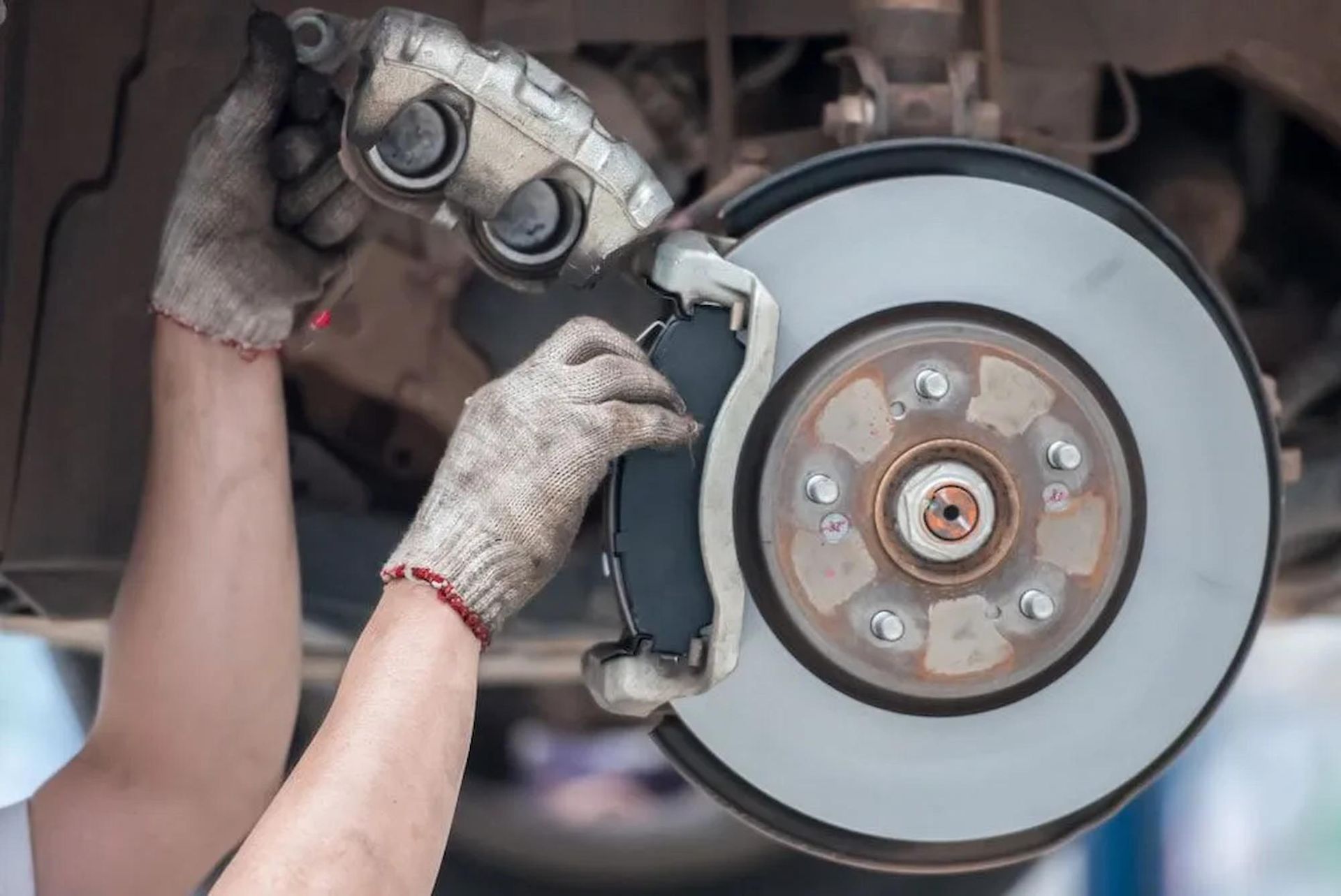
- Brake, steering and suspension repairs
- Cooling system and engine repairs
- Diesel vehicle servicing and repairs
- 4WD and commercial vehicle maintenance
- Safety and compliance inspections
If you need an inspection for a vehicle, ask whether the workshop carries out
roadworthy inspections and what you need to bring to the appointment. Understanding the workshop's actual capabilities before booking also reduces the chance of discovering midway through a job that specialised work needs to be sent elsewhere.
Do They Understand Local Conditions Like Heat, Dust and Long Distances?
Local experience is an important part of what to look for in a mechanic, particularly in a region such as Mount Isa. Vehicles operating in hot, dusty environments can face different maintenance demands from vehicles driven mainly in mild metropolitan conditions. Cooling systems, air filtration, batteries, tyres and other components may deserve closer attention depending on how the vehicle is used. Long-distance driving adds another consideration. A minor problem that is inconvenient around town can become much more serious if it develops on a remote stretch of road.
When speaking with a mechanic in Mount Isa, explain how you actually use the vehicle. Tell them if you regularly travel remotely, tow a trailer or caravan, carry heavy loads, spend significant time on unsealed roads or operate the vehicle for long working days. That information helps the mechanic assess the vehicle in context rather than treating every service as identical.
Do They Have a Track Record With Fleet, Commercial or Remote-Travel Vehicles?
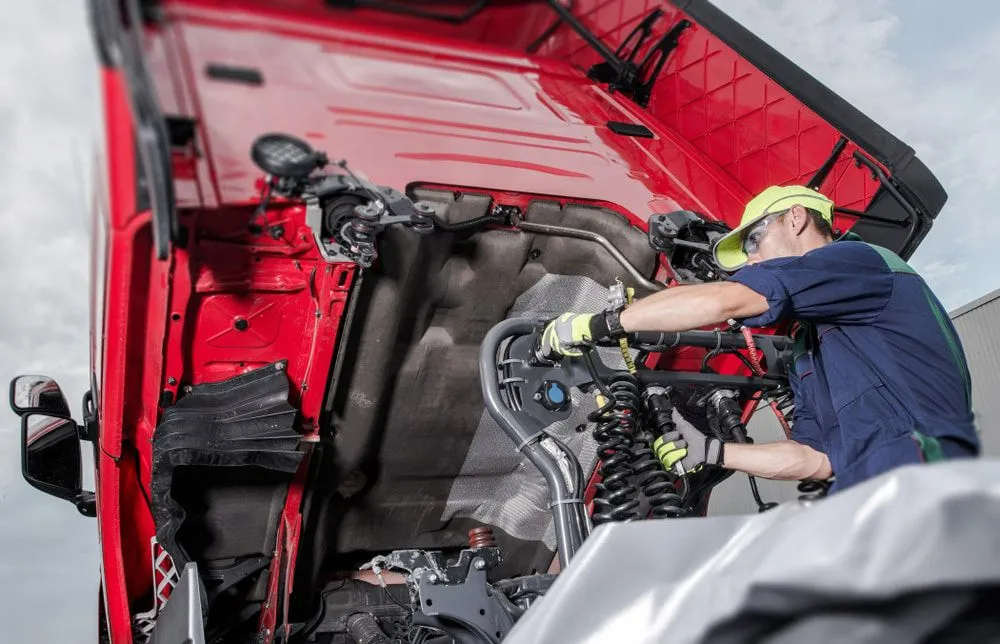
If your vehicle earns its keep, workshop experience with commercial and fleet vehicles can be especially valuable. Tradies and businesses often have different priorities from occasional private drivers. Vehicle downtime can interrupt jobs, affect schedules and leave staff without the equipment they need. Maintenance therefore needs to consider reliability as well as the immediate repair.
Ask prospective mechanics whether they regularly work with:
- Trade utes and work vehicles
- Diesel vehicles
- Commercial fleets
- 4WDs used in demanding conditions
- Vehicles used for towing
- Vehicles travelling between regional or remote locations
Fleet operators should also ask how the workshop approaches preventative maintenance. Keeping records of servicing, monitoring recurring faults and addressing wear before it causes an unexpected breakdown can support more predictable vehicle management. For remote travellers, it is worth discussing the journey before departure. A pre-trip inspection can focus attention on systems that could create significant problems away from easy access to repairs, including tyres, brakes, cooling, batteries, belts, hoses and fluid condition.
What Red Flags Should You Watch Out For When Choosing a Mechanic?
A low price or quick booking doesn't necessarily tell you whether a workshop is the right choice. Pay attention to how the mechanic communicates before you approve the work. Potential warning signs include vague explanations about what is wrong, reluctance to discuss expected costs, major repairs recommended without an understandable diagnostic process, or additional work proceeding without clear authorisation. Be cautious if you cannot get straightforward answers to basic questions about the workshop's experience or services. A reputable mechanic should be comfortable explaining what they have found and why particular repairs or maintenance are recommended.
You should also be wary of promises that sound unrealistic. Some faults require proper inspection and testing before anyone can accurately determine the cause, repair requirements or final cost.
Choosing a Mechanic With Confidence
The most useful questions to ask before choosing a mechanic focus on capability, diagnosis, communication and relevant experience. Find out whether the workshop understands your vehicle, how it will identify faults, what services it can provide and whether it has experience with the conditions in which you drive. For Mount Isa vehicle owners, tradies and fleet operators, local knowledge can be particularly useful when vehicles face heat, dust, heavy workloads and long-distance travel.
If you're looking for a workshop to inspect, service or repair your vehicle,
contact Secure Diesel & Automotive to discuss what your vehicle needs and arrange a suitable booking.
Frequently Asked Questions
What should I ask a mechanic before booking?
Ask about their qualifications, experience with your type of vehicle, diagnostic process, available services and how they communicate costs before additional work begins. If you drive in demanding conditions, also ask whether they regularly work on vehicles used in similar environments.
How do I choose a good mechanic?
Look for a mechanic who communicates clearly, follows a proper diagnostic process and has relevant experience with your vehicle. The workshop should be able to explain recommended work in practical terms rather than expecting you to approve repairs without understanding why they're needed.
Should a mechanic diagnose the problem before quoting repairs?
Diagnosis is often necessary before a mechanic can accurately determine what repair a vehicle needs. Some straightforward jobs may be easier to price in advance, while complex mechanical, electrical or performance faults can require testing before the cause and repair requirements become clear.
What should I look for in a mechanic in Mount Isa?
Consider local experience as well as technical capability. A Mount Isa mechanic should understand how factors such as high temperatures, dust, long-distance driving, towing, heavy loads and remote travel can affect vehicle maintenance requirements.
Why does commercial vehicle experience matter?
Commercial and fleet vehicles often operate for longer hours, carry loads and need to minimise unplanned downtime. A workshop experienced with these vehicles can consider usage patterns and preventative maintenance alongside immediate repair requirements.
Should I tell my mechanic how I use my vehicle?
Yes. Tell your mechanic if you tow, travel remotely, drive on unsealed roads, carry heavy loads or use the vehicle commercially. Those details can help them assess maintenance needs and identify components that may require closer attention.